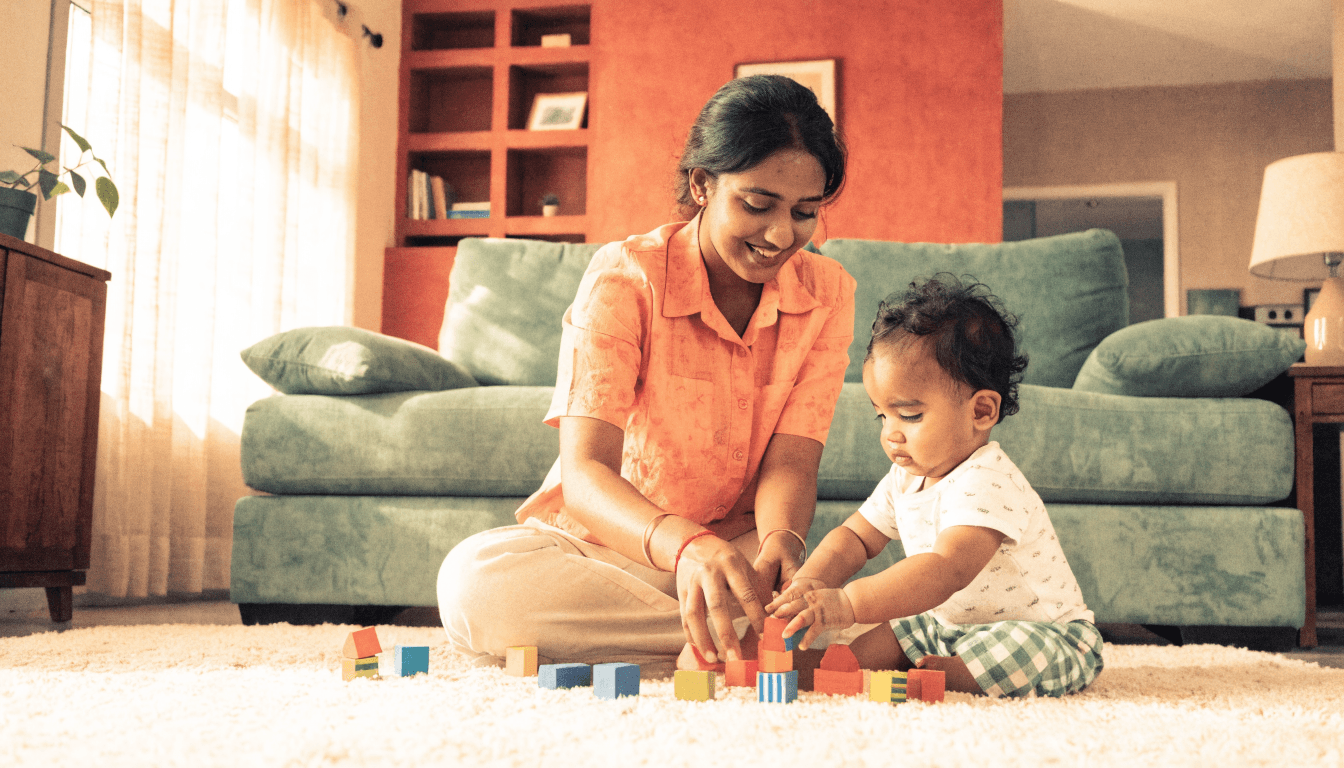
Why Gross Motor Skills Matter (More Than You Think)
Gross motor skills are the big movements: running, jumping, climbing, balancing. They're not just about physical fitness. They're about:
Toddlers who have lots of physical play are often more confident, better problem-solvers, and better able to regulate emotions.
---
Gross Motor Milestones by Age
12–18 Months
Expected milestones:
What they might NOT do yet:
18–24 Months
Expected milestones:
What's normal:
24–36 Months
Expected milestones:
What's normal:
---
18 Gross Motor Activities (No Equipment Needed)
Activity 1: Walking & Exploring
What to do:
Why it works: Builds confidence in walking, strengthens legs, develops awareness of space.
Time: 10–20 minutes
---
Activity 2: Walking on Lines (Balance Foundation)
What to do:
Why it works: Develops balance, body awareness, concentration.
Time: 8–10 minutes
---
Activity 3: Dancing to Music
What to do:
Why it works: Builds coordination, rhythm, confidence, burns energy.
Time: 10–15 minutes
---
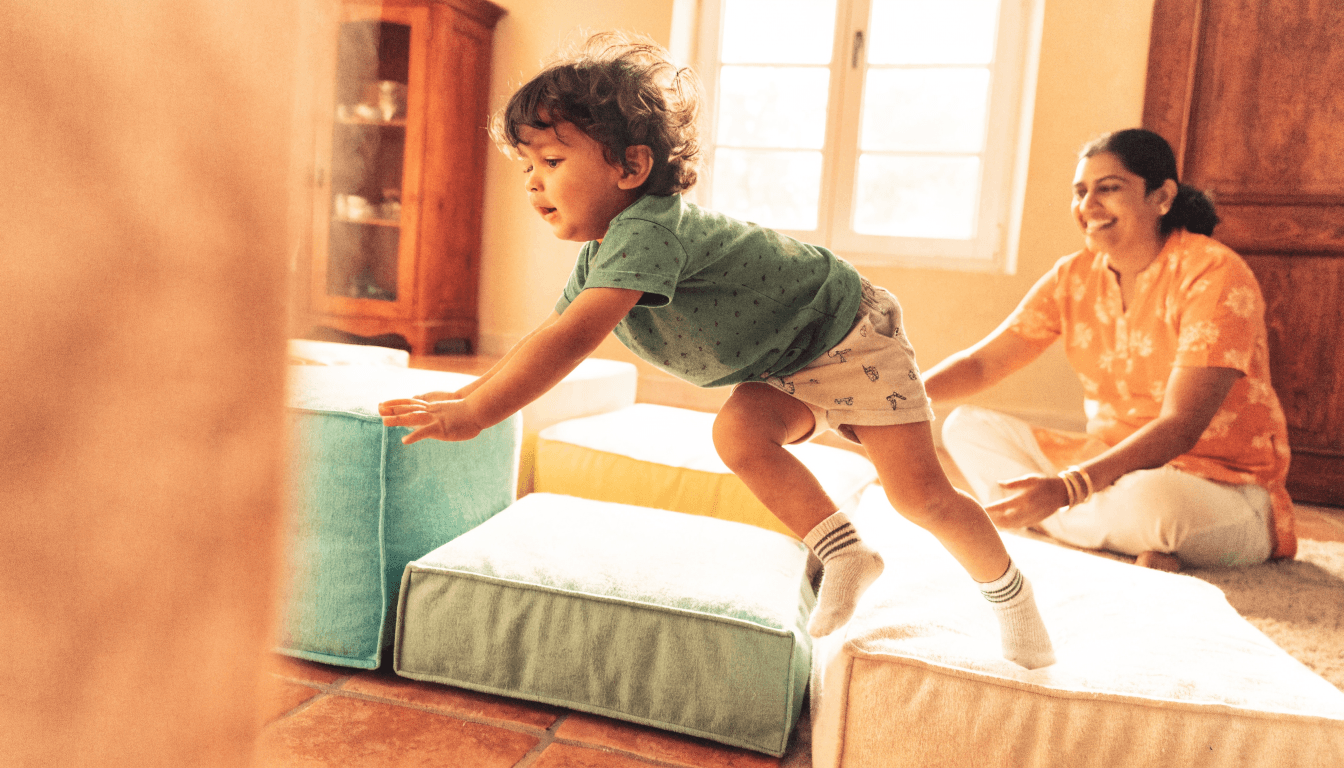
Activity 4: Climbing Cushion Course
What to do:
Why it works: Gross motor strength, balance, problem-solving, spatial awareness.
Duration: 15–20 minutes
---
Activity 5: Ball Rolling & Kicking
What to do:
Why it works: Coordination, tracking movement, leg strength, turn-taking.
Time: 10–15 minutes
---
Activity 6: Stairs Practice (Supervised)
What to do:
Why it works: Leg strength, balance, independence, coordination.
Safety: Always supervise. Use a gate at top of stairs if you have them.
Time: 10–15 minutes
---
Activity 7: Running Games
What to do:
Why it works: Leg strength, speed, confidence, cardiovascular health.
Time: 10–15 minutes
---
Activity 8: Jumping Practice
What to do:
Why it works: Leg power, coordination, timing.
Age note: True jumping (both feet in air) comes around 2+, earlier for some.
Time: 8–10 minutes
---
Activity 9: Walking Backward
What to do:
Why it works: Balance, body awareness, coordination challenge.
Time: 5–8 minutes
---
Activity 10: One-Leg Balance Game
What to do:
Why it works: Balance, core strength, focus.
Time: 5 minutes
---
Activity 11: Crawling Races
What to do:
Why it works: Gross motor strength, fun, builds confidence.
Time: 8–10 minutes
---
Activity 12: Spinning & Turning
What to do:
Why it works: Balance, body awareness, vestibular system development.
Caution: Watch for dizziness; they'll usually stop when they've had enough.
Time: 5 minutes
---
Activity 13: Tummy Time Play
What to do:
Why it works: Strengthens core, back, shoulders; foundational for later gross motor.
Time: 8–10 minutes
---
Activity 14: Outdoor Grass Exploration
What to do:
Why it works: Sensory input, leg strength, outdoor confidence, vitamin D.
Time: 15–30 minutes
India angle: Early morning or late evening to avoid heat. Great for monsoons.
---
Activity 15: Pushing & Pulling Games
What to do:
Why it works: Arm and leg strength, coordination, power.
Time: 8–10 minutes
---
Activity 16: Stair Sliding Down
What to do:
Why it works: Confidence, control, understanding of heights.
Time: 5–10 minutes
---
Activity 17: Standing Transitions
What to do:
Why it works: Leg strength, balance, functional skills.
Time: 5 minutes
---
Activity 18: Playground Exploration (If Available)
What to do:
Why it works: Develops real-world skills, challenges, confidence, social learning.
Time: 20–30 minutes
---
India-Specific Gross Motor Activities
Rooftop Play
If you have access to a rooftop:
Monsoon Play
Heat-Management Strategies
---
How to Support Gross Motor Development
1. Play Alongside Them
What works: You're playing together, not just watching.
Why: Toddlers learn by copying. Your participation = confidence building.
2. Celebrate Attempts, Not Just Success
Instead of: "Great job! You jumped!"
Try: "You tried jumping! You worked hard!"
Effort + attempt > success-only praise. This builds resilience (not everything works, and that's okay).
3. Provide Safe Spaces for Risk-Taking
Toddlers need to try things that might fail:
Safe falling: Soft surfaces (grass, carpet, cushions) reduce injury anxiety.
4. Limit Screen Time
Screen time displaces physical play. WHO recommendation: under 2 hours per day for 2+ year olds (preferably less).
Why it matters: Physical play is where gross motor develops. Sitting watching screens doesn't build strength or balance.
5. Offer Variety
Different activities build different skills:
Varied play = varied development.
---
Red Flags: When to Chat with Your Pediatrician
Normal (keep going):
Worth mentioning:
Your pediatrician can assess:
---
Building Confidence Through Movement
The secret? Toddlers who move a lot develop confidence that extends beyond physical skills.
A 2-year-old who climbs, runs, and jumps often becomes a 3-year-old who:
Physical development is confidence development.
---
Your Weekly Gross Motor Play Checklist
```
☐ Climbing activity (cushions, stairs, playgrounds)
☐ Running/chase game
☐ Balance/coordination activity (line walking, spinning)
☐ Outdoor play (grass, open space)
☐ Music/dancing
☐ Ball play or throwing
☐ Play alongside them (not just watching)
☐ Celebrate efforts + attempts
```
---
Get Daily Gross Motor Activity Suggestions
Rather than wonder what activity to do today, get daily suggestions matched to your toddler's age and current skill level.
[Start Your Free WhatsApp Companion →](/api/wa-start)
Every day, one gross motor activity. Simple, no equipment, designed to build strength, balance, and confidence.
![Is It Normal For 2-Year-Olds To [Behavior]? Complete Parent Reassurance Guide](/_next/image?url=%2Fblog-images%2Fis-it-normal-for-2-year-old.png&w=3840&q=75&dpl=dpl_2g3NTRKSQwtgJiYXpdE8MtUxFqVF)